
Building a Child’s Art Portfolio: Tips for Parents
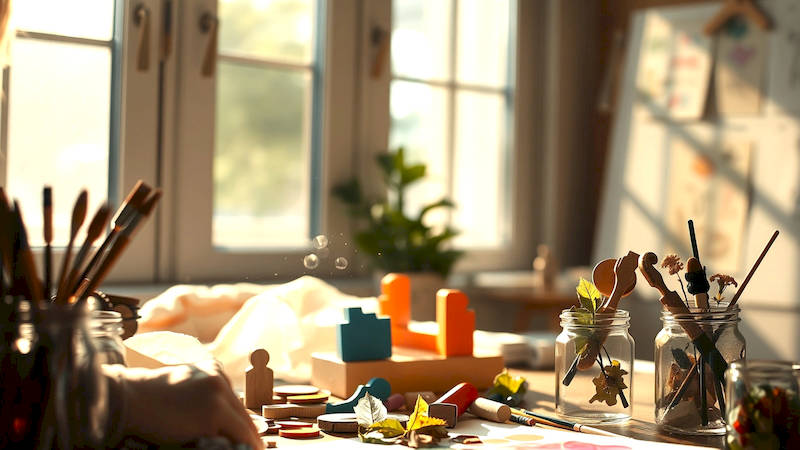
The pursuit of creativity is fundamental to a child’s development. Beyond the sheer joy of artistic expression, creating art fosters problem-solving skills, enhances cognitive abilities, and cultivates emotional intelligence. But what happens when you want to document and celebrate that development? Building an art portfolio isn't about preparing your child for a future as a professional artist (though it could certainly be a beneficial side-effect); it’s about thoughtfully preserving their artistic journey, showcasing their growth, and providing a tangible record of their learning process. This isn’t about curating perfection, but rather capturing evolution.
A thoughtfully assembled art portfolio can serve as a powerful tool for self-reflection, allowing your child to observe their progress over time. It can also be invaluable when applying to arts-focused programs, demonstrating a consistent engagement with creative endeavors. More importantly, it teaches your child the value of their work, the importance of documentation, and the pride in showcasing their accomplishments. In a world increasingly focused on demonstrable skills, a visual record of your child’s creative development is a unique and compelling asset.
This article will serve as your comprehensive guide to building a meaningful and effective art portfolio for your child, offering practical tips, organizational strategies, and insights into making the process enjoyable for both you and your budding artist. We will explore selection criteria, presentation methods, digital versus physical portfolios, and how to foster a portfolio-building mindset from a young age. Ultimately, the goal is to create a lasting testament to your child's artistic exploration and growth.
- Understanding the Purpose & Scope of a Child’s Art Portfolio
- Selecting Artwork for Inclusion: Criteria and Considerations
- Physical vs. Digital Portfolios: Weighing the Pros and Cons
- Presentation & Organization: Making the Portfolio User-Friendly
- Fostering a Portfolio-Building Mindset: Making it Fun & Sustainable
- Beyond the Portfolio: Utilizing Artwork for Further Opportunities
- Conclusion: A Legacy of Creativity
Understanding the Purpose & Scope of a Child’s Art Portfolio
Many parents mistakenly believe an art portfolio needs to be filled with polished, “gallery-worthy” pieces. However, for a young child, the process is far more important than the product. A portfolio should be a comprehensive collection showcasing a range of skills, techniques, and artistic exploration – not exclusively the “best” work. It’s a visual story of their artistic journey, not a judgement of their talent. Think less about creating a competitive portfolio for entry into a prestigious school (although the principles still apply), and more about preserving a chronicle of growth.
Specifically, consider the age and developmental stage of your child. A preschooler's portfolio will look dramatically different from a ten-year-old’s. Younger children’s portfolios should prioritize experimentation with different materials – scribbles, finger paints, collages, playdough creations (photographed, of course!). As children get older, the portfolio can begin to showcase more deliberate technical skill, exploration of specific mediums, and developing artistic themes. It’s also important to include works that demonstrate problem-solving – perhaps sketches showing attempts to render a specific object or a series of paintings exploring color mixing. "According to a study by the National Art Education Association, consistent engagement with visual arts dramatically improves critical thinking and problem-solving skills in children," highlighting the value of documenting such exploration.
The further you progress, the portfolio could evolve to include “artist statements,” even brief ones crafted with your child, describing their intention or process behind a specific piece. This isn’t about creating mini-art critics; it’s about encouraging self-reflection and helping them articulate their thoughts and feelings about their art. It's also valuable to include artwork from different assignments or themes – pieces created in art class, works inspired by museum visits, and free-form exploration done at home.
Selecting Artwork for Inclusion: Criteria and Considerations
Choosing which pieces to include in your child’s portfolio requires a delicate balance. It’s not about cherry-picking only the “pretty” pictures, but about representing the breadth of their artistic development. A useful guideline is to aim for a mix of artwork that demonstrates effort, experimentation, technical skill (appropriate for their age), and personal expression. Prioritize pieces that truly show something about your child’s evolving artistic voice.
Focus on work that demonstrates growth. Include pieces from different time periods to illustrate how their skills and style have changed. Don’t be afraid to include artwork with “mistakes” – mistakes are valuable learning opportunities and demonstrate a willingness to take risks. Including these shows a willingness to learn and evolve. The portfolio isn't a highlight reel of perfected work; it's a visual diary of creative exploration. Think about variety in mediums too— watercolors, crayons, markers, sculpture (documented with photos), digital art, etc. A portfolio limited to a single medium doesn't accurately reflect a child’s creative potential.
Consider including "process" documentation. Alongside a finished painting, include a quick sketch or thumbnail showing the initial idea. This demonstrates the thinking that goes into their art and helps tell a more complete story. A good rule of thumb is to periodically review your child’s artwork with them and collaboratively select pieces for the portfolio. Their input is crucial—they should feel ownership of the process and pride in their collection. Ask them questions like, "What were you thinking about when you made this?" or "What did you learn while working on this piece?"
Physical vs. Digital Portfolios: Weighing the Pros and Cons
The debate between a traditional physical portfolio and a digital one is increasingly relevant. Both have their advantages and disadvantages, and the best choice depends on your individual needs and preferences. A physical portfolio offers a tactile experience – the ability to handle and appreciate the artwork directly. It’s ideal for showcasing textured pieces, three-dimensional work (through high-quality photographs), and for those who prefer a more hands-on approach to organization. However, physical portfolios can be bulky, difficult to transport, and vulnerable to damage. Ultimately, storing a large collection of artwork can require significant space.
Digital portfolios, on the other hand, offer convenience, portability, and ease of sharing. Photographs or scans of the artwork can be easily organized, stored, and backed up. Digital portfolios can also be easily shared with family, friends, or potential art programs via email or online platforms like Behance or Google Sites. In fact, many art programs prefer digital submissions. “The use of digital portfolios is steadily increasing in art education, offering students a valuable opportunity to learn digital literacy skills alongside their artistic development," notes art educator Sarah Miller in Art Education Today. However, digital portfolios can sometimes lack the impact of seeing the artwork in person, and require a reliable internet connection and basic computer skills.
Consider a hybrid approach – maintaining a small, curated physical portfolio of especially significant pieces and a comprehensive digital archive. This offers the best of both worlds: the tactile experience of physical artwork and the convenience and accessibility of a digital collection.
Presentation & Organization: Making the Portfolio User-Friendly
No matter whether you choose a physical or digital portfolio, presentation is key. A well-organized and visually appealing portfolio demonstrates respect for your child’s work and makes it easier for others to appreciate. For a physical portfolio, invest in a high-quality portfolio binder with acid-free sleeves to protect the artwork from damage. Arrange the artwork chronologically or thematically, creating a clear and logical flow.
For a digital portfolio, choose a platform that allows for easy organization and customization. Consider using folders to categorize artwork by year, medium, or theme. High-quality photographs are essential – ensure they are well-lit and accurately represent the colors and textures of the original artwork. Avoid using filters or making excessive edits. Digital portfolios should load quickly and be easy to navigate. Including captions or brief descriptions for each piece is also helpful, providing context and insight into your child’s artistic process.
Consistency is crucial. Whether physical or digital, maintain a consistent aesthetic throughout the portfolio. Avoid mixing drastically different styles or formats. "A cohesive presentation reflects attention to detail and demonstrates a level of professionalism that can make a lasting impression," advises professional art portfolio consultant, David Reynolds. This applies even to a child’s portfolio; it showcases their respect for their own creativity.
Fostering a Portfolio-Building Mindset: Making it Fun & Sustainable
Building an art portfolio shouldn't feel like a chore. The process should be enjoyable and integrated into your child’s regular artistic practice. Encourage them to view portfolio-building as a natural extension of their creative exploration, not as an extra task. Designate a specific space for artwork to be stored and reviewed. This could be a dedicated art bin, a portfolio binder, or a digital folder on the computer.
Regularly review artwork with your child, providing positive feedback and asking open-ended questions about their process and inspiration. Resist the urge to critique or offer unsolicited advice. Instead, focus on celebrating their creativity and encouraging experimentation. “The most important thing is to create a supportive environment where children feel safe to take risks and express themselves freely,” states child psychologist Dr. Emily Carter.
Make documentation part of the routine. Encourage your child to photograph their artwork immediately after completion before it gets lost or damaged. Frame portfolio building not as a final product, but as an ongoing journey—a visual autobiography of their artistic growth. It’s about showing the world, and more importantly, themselves, the amazing things they can create.
Beyond the Portfolio: Utilizing Artwork for Further Opportunities
A completed art portfolio can open doors to a variety of opportunities beyond simply showcasing personal growth. For children interested in pursuing art classes or workshops, the portfolio can serve as a demonstration of their existing skills and a tool for placement. As children progress, the portfolio can be used to apply to summer art programs, specialized camps, or even high school arts programs.
However, remember that the portfolio isn’t simply a tool for external validation. It's also a valuable resource for self-reflection and goal-setting. Encourage your child to review their portfolio periodically and identify areas where they want to improve. Use the portfolio as a starting point for discussions about artistic techniques, styles, and themes.
Consider creating a smaller, simplified portfolio specifically for sharing with family and friends. This can be a great way to celebrate your child’s accomplishments and foster a sense of pride in their work. The possibilities are endless – the key is to view the portfolio as more than just a collection of artwork; it’s a testament to your child’s creativity, dedication, and artistic journey.
Conclusion: A Legacy of Creativity
Building an art portfolio for your child is a deeply rewarding experience. It's an investment in their creative development, a celebration of their artistic journey, and a lasting record of their growth. Remember that the purpose of the portfolio isn't about creating a perfect collection, but about documenting the process of exploration and experimentation. Prioritize showcasing effort, growth, and personal expression. By thoughtfully selecting, organizing, and presenting your child's artwork, you can create a tangible legacy of their creativity.
The key takeaways are to embrace imperfection, celebrate the process, and foster a portfolio-building mindset from a young age. Encourage your child to view their artwork as a valuable expression of themselves and to take pride in their accomplishments. Whether you choose a physical or digital portfolio, or a combination of both, prioritize organization, presentation, and ease of access. Ultimately, the most important thing is to create a collection that reflects your child's unique artistic voice and inspires them to continue exploring their creative potential. Take the first step today – gather your child’s artwork, select a few pieces, and start building a portfolio that will be treasured for years to come.
Deja una respuesta