Using Storytelling and Puppet Shows to Enhance Child Literacy
Storytelling is as old as humanity itself, a fundamental way we’ve understood and shared our world for millennia. In today’s rapidly evolving digital age, it’s easy to overlook the enduring power of narrative, especially in fostering a love of reading and robust literacy skills in children. But the truth is, a child’s ability to comprehend, analyze, and create stories forms the cornerstone of their academic success and overall development. Combining the inherent appeal of storytelling with the dynamic engagement of puppet shows creates a potent learning tool, sparking imagination, boosting confidence, and unlocking a lifelong passion for language. This article will delve into the profound benefits of integrating these artistic modalities into a child’s literacy journey, providing practical guidance and strategies for parents and educators alike.
The importance of early literacy cannot be overstated. Statistics consistently demonstrate a strong correlation between early language skills and future academic achievement. Children who enter kindergarten with a limited vocabulary or weak narrative skills are significantly more likely to struggle with reading comprehension later on. But effective literacy development isn't solely about phonics and decoding; it's about fostering a genuine emotional connection with stories and empowering children to become active participants in the narrative process. This is precisely where storytelling and puppet shows shine, offering a playful, multi-sensory approach that captivates young minds and lays a solid foundation for future learning.
- The Neuroscience of Storytelling and Literacy
- Integrating Storytelling into Daily Routines
- The Power of Puppet Shows for Literacy Development
- Adapting Classic Tales and Creating Original Narratives
- Addressing Different Learning Styles and Abilities
- Beyond Performance: Extending the Learning
- Conclusion: Cultivating a Narrative Future
The Neuroscience of Storytelling and Literacy
The benefits of storytelling aren’t just anecdotal; they’re rooted in neuroscience. When children listen to stories, their brains light up with activity. Neuroimaging studies reveal increased activity in areas associated with language processing, memory, and sensory integration. Dr. Maryanne Wolf, a cognitive neuroscientist and author of Proust and the Squid: The Story and Science of the Reading Brain, emphasizes that reading is not a natural skill but a "neurologically constructed one." Storytelling helps construct that neural pathway by providing rich linguistic input, strengthening connections between different brain regions, and cultivating a mental landscape conducive to reading comprehension.
Furthermore, stories activate mirror neurons, allowing children to emotionally resonate with characters and experience events vicariously. This empathetic engagement deepens understanding, builds emotional intelligence, and fosters a love of reading. The narrative structure itself – the beginning, middle, and end – helps children develop an understanding of cause and effect, problem-solving, and the importance of sequencing events, all vital skills for reading comprehension and critical thinking. The act of creating stories, whether verbally or through puppet shows, further solidifies these neural connections, transforming children from passive recipients to active constructors of meaning.
Integrating Storytelling into Daily Routines
Making storytelling a consistent part of your child’s daily routine doesn’t require elaborate planning. Start small with simple read-alouds, focusing on expressive reading with varied voices and dramatic pauses. Encourage your child to participate by asking questions like, "What do you think will happen next?" or "How do you think the character is feeling?" Extend the story beyond the page by discussing the characters, setting, and plot. Even everyday activities can be woven into narrative frameworks. For example, turning bedtime routines into a story ("Once upon a time, there was a sleepy little bear who needed to brush his teeth…") transforms mundane tasks into playful adventures.
Beyond traditional storybooks, explore different forms of storytelling – family stories, personal anecdotes, even improvised tales. These authentic narratives hold immense value, connecting children to their roots and fostering a sense of belonging. Regularly invite your child to tell you stories, no matter how simple or fantastical. Focus on encouraging their creativity and providing positive reinforcement, rather than correcting grammar or plot inconsistencies. Remember, the goal is to cultivate a love of language and narrative expression, not to achieve literary perfection.
The Power of Puppet Shows for Literacy Development
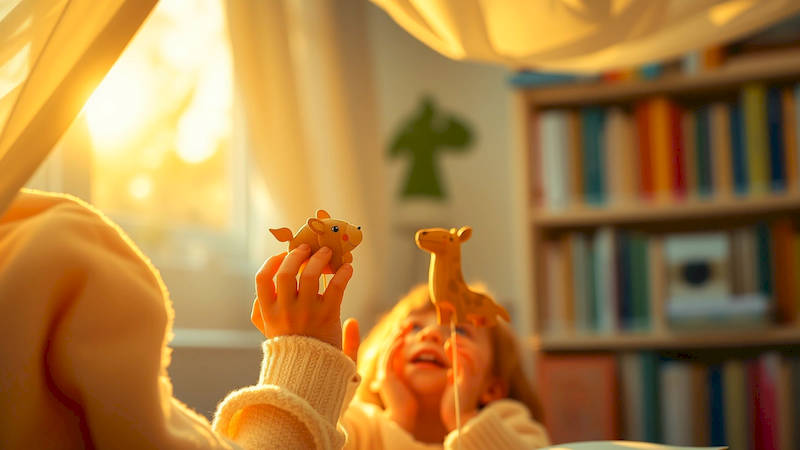
Puppet shows take the benefits of storytelling to the next level by adding a dynamic, interactive element. Children are naturally captivated by puppets, and using them encourages active engagement with the story. They can literally become the characters, embodying their emotions and motivations, which deepens comprehension and fosters empathy. Puppet shows are also incredibly versatile – they can be used to retell familiar stories, adapt books, or create entirely new narratives.
The process of creating a puppet show – designing the puppets, writing the script, building the stage, and rehearsing the performance – is itself a powerful literacy exercise. It requires children to think critically about character development, plot structure, and dialogue. It challenges them to use language in a creative and purposeful way, solidifying their understanding of grammar, vocabulary, and narrative techniques. Consider having children create their own puppets using simple materials like socks, paper bags, or craft sticks. This hands-on activity encourages imagination and resourcefulness.
Adapting Classic Tales and Creating Original Narratives
When introducing puppets, start with stories your child already knows and loves. Retelling familiar tales like "The Three Little Pigs" or "Goldilocks and the Three Bears" provides a comfortable entry point and allows children to focus on embodying the characters. Encourage them to add their own unique twists and interpretations to the story. Gradually, transition to adapting more complex stories, breaking them down into smaller, more manageable scenes.
Once children are comfortable retelling existing stories, encourage them to create their own original narratives. Provide prompts like, "What if a dinosaur became a librarian?" or "Imagine a world where animals can talk." Brainstorm character ideas, settings, and plot points together. Don’t be afraid to embrace silliness and let their imaginations run wild. The key is to foster a creative environment where children feel empowered to express themselves without fear of judgment. This collaborative process strengthens their narrative skills and builds confidence in their storytelling abilities.
Addressing Different Learning Styles and Abilities
It’s crucial to remember that children learn in different ways. Some are visual learners, others are auditory, and still others are kinesthetic. Storytelling and puppet shows cater to a wide range of learning styles. Visual learners benefit from the visual representation of characters and settings, while auditory learners thrive on the sound of storytelling and dialogue. Kinesthetic learners benefit from the hands-on aspect of puppet manipulation and performance.
For children with learning disabilities, storytelling and puppet shows can be particularly beneficial. They provide a safe and supportive environment for practicing language skills and building confidence. For children with dyslexia, the multi-sensory approach can help bypass decoding challenges and facilitate comprehension. For children with autism, the structured nature of puppet shows can provide a sense of predictability and control. Adapt the activities to suit each child’s individual needs and abilities, providing extra support and encouragement as needed.
Beyond Performance: Extending the Learning
The benefits of storytelling and puppet shows extend far beyond the performance itself. Use the stories as springboards for further learning activities. For example, after a puppet show about ocean life, encourage children to research different marine animals or create their own ocean-themed artwork. Following a story about historical events, visit a local museum or library to learn more about the period.
Encourage children to write their own stories inspired by the puppet shows. They can create storyboards, write scripts, or even illustrate their own books. Host a family puppet show night, inviting other family members and friends to attend. Celebrate their creativity and encourage them to share their stories with others. The goal is to create a culture of storytelling and literacy within the home and community, fostering a lifelong love of reading and learning.
Conclusion: Cultivating a Narrative Future
Integrating storytelling and puppet shows into a child’s life is not merely about entertainment; it's about investing in their future. By tapping into the inherent power of narrative, we can unlock their imagination, boost their literacy skills, and foster a lifelong love of learning. These techniques are accessible, adaptable, and remarkably effective. Remember, the most important ingredient is your presence and encouragement.
The key takeaways are simple: prioritize regular storytelling, embrace the magic of puppet shows, adapt activities to meet individual needs, and extend the learning beyond the performance. Start small, be patient, and most importantly, have fun. By weaving words and wonders into your child’s daily life, you’re not just teaching them to read; you’re empowering them to become confident communicators, critical thinkers, and imaginative storytellers themselves – equipped to navigate the world with creativity, empathy, and a thirst for knowledge.
Deja una respuesta