How to Use Music and Dance to Develop Motor Skills in Preschoolers
The preschool years, typically spanning ages 3-5, represent a period of rapid physical development. During this time, children are building foundational motor skills – the abilities to control and coordinate their bodies – that are essential for everything from writing and playing to participating in sports later in life. While structured physical education is valuable, incorporating music and dance into a preschooler’s routine offers a remarkably effective and engaging way to nurture these crucial skills. This isn't simply about fun and entertainment; it’s about tapping into a natural synergy between movement and rhythm to build strength, coordination, balance, and spatial awareness.
Often overlooked, music and dance tap into multiple areas of brain development simultaneously, creating powerful neural connections. Movement to music enhances proprioception – the body’s ability to sense its position in space – and vestibular awareness – the sense of balance and spatial orientation. Furthermore, these activities boost creativity, self-expression, and social-emotional development. Ignoring these opportunities means missing out on a potent, holistic method for optimizing a child’s physical and cognitive growth.
This article will delve into the multifaceted benefits of integrating music and dance into preschooler’s lives, providing detailed strategies and practical examples to help parents and educators foster motor skill development in a joyful and effective manner. We'll explore how different types of music and movement impact specific skills, address common concerns, and offer a roadmap for creating a stimulating and supportive environment.
- The Neurological Connection: Why Music and Movement Work So Well Together
- Gross Motor Skills Boost: Jumping, Hopping, and Galloping to the Beat
- Fine Motor Skill Refinement: Musical Instruments and Rhythmic Play
- Enhancing Balance and Spatial Awareness Through Dance
- Addressing Challenges & Adapting to Individual Needs
- Creating a Music & Movement Rich Environment
- Conclusion: A Symphony of Development
The Neurological Connection: Why Music and Movement Work So Well Together
The brain’s response to music and movement is far from arbitrary. Research in neuroplasticity demonstrates the profound impact of repeated experiences on brain structure and function. When children engage in rhythmic movement, it stimulates the cerebellum, the part of the brain responsible for coordination, balance, and motor learning. Simultaneously, music engages the auditory cortex, the region processing sound, and the motor cortex, the area controlling voluntary movements. This interconnected activation strengthens neural pathways, making movement more fluid, efficient, and automatic.
Studies utilizing fMRI (functional magnetic resonance imaging) have shown that listening to and moving to music increases blood flow to these key brain regions. Furthermore, music releases dopamine, a neurotransmitter associated with pleasure and motivation, enhancing the learning experience and making children more likely to repeat and refine their movements. This inherent reward system is vastly more compelling than rote memorization or forced practice. Dr. Gottfried Schlaug, a neurologist at Harvard Medical School, has extensively researched the impact of musical training on brain structure, noting changes in grey matter volume in areas related to motor control and auditory processing.
Understanding this neurological foundation is critical, as it highlights that music and dance aren’t simply add-ons to the curriculum, but integral components of a child’s holistic development. It’s not simply that a child is moving, but how they are moving in relation to sound that provides the significant neurological benefit. This reason alone elevates music and movement beyond mere entertainment.
Gross Motor Skills Boost: Jumping, Hopping, and Galloping to the Beat
Gross motor skills involve the large muscles of the body, and music provides an ideal avenue for their development. Upbeat tempos encourage children to engage in vigorous activities like running, jumping, hopping, and galloping. Simply playing music with a clear beat and inviting children to move however they feel can be incredibly effective. However, more structured activities can target specific skills. For example, freeze dance, a classic preschool game, enhances inhibitory control (the ability to stop an action) along with movement. Playing music and having them freeze in a pose when the music stops is fantastic practice.
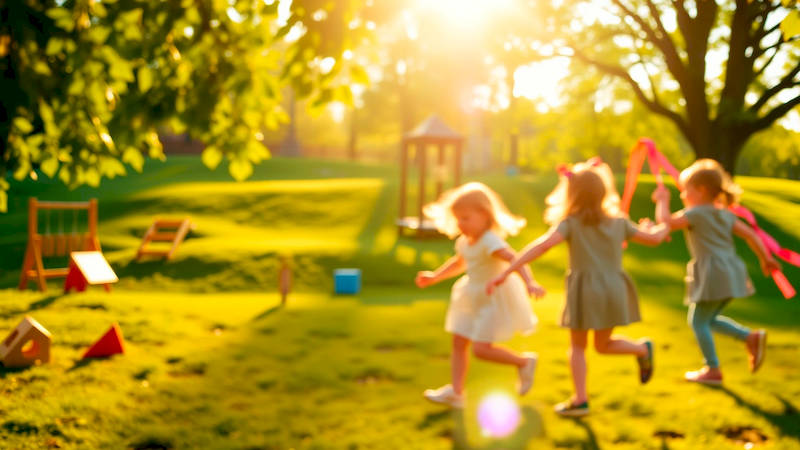
When incorporating jumps and hops, introduce music with varying dynamics. Louder music can signal a high jump, while softer music can indicate a smaller hop. Use props like scarves or ribbons to encourage creative movement and spatial awareness during galloping activities – imagining themselves as horses responding to the musical cues. A case study conducted at the University of Melbourne showed that preschoolers engaging in regular music and movement sessions involving galloping demonstrated significantly improved coordination and balance compared to a control group.
Beyond these core movements, rhythmical activities like marching or performing animal walks (bear walks, crab walks) to music challenge children’s core strength, coordination, and body awareness. The key is to vary the tempo and type of movement to provide a comprehensive gross motor workout.
Fine Motor Skill Refinement: Musical Instruments and Rhythmic Play
While often associated with large muscle movements, music and dance also subtly but powerfully influence fine motor skill development – the ability to control small muscles in the hands and fingers. Playing musical instruments, even simple ones like shakers, tambourines, or drums, requires hand-eye coordination, finger dexterity, and the ability to control force. Selecting instruments that require varied grip types further promotes comprehensive fine motor skill development.
Rhythmic play, such as tapping out a beat on a drum or shaking a rattle in time with the music, reinforces hand-eye coordination and the understanding of rhythm. Creating homemade instruments – using empty containers and beans, for example – adds an element of creativity and problem-solving, further engaging fine motor skills. Introduce activities that combine music and art, such as painting to the rhythm of the music or creating musical patterns with colored markers.
Consider activities like stringing beads onto a lace while listening to calming music. This task requires precision and concentration, supporting fine motor skill development. Furthermore, the calming music can create a positive and focused atmosphere, alleviating any frustration associated with the task.
Enhancing Balance and Spatial Awareness Through Dance
Dance, in all its forms, is a potent tool for improving balance and spatial awareness – understanding one’s body in relation to surrounding space. Simple dances with defined movements, like the Hokey Pokey or the Chicken Dance, help children learn directional terms (left, right, in, out) and coordinate movements in different planes of motion. Partner dances, even simple ones like mirroring each other’s movements, foster spatial reasoning and social interaction.
Introduce activities that challenge balance, such as walking along a line to the music or performing slow, controlled turns. Utilize props like beanbags or scarves to add an element of challenge, requiring children to maintain their balance while manipulating the objects. Playing music with varying rhythms and tempos also forces them to adapt their movements, improving their dynamic balance.
Free-form dance, where children are encouraged to express themselves through movement without specific instructions, promotes creativity and self-awareness. Instructors or parents can provide gentle guidance, such as encouraging them to explore different levels (high, medium, low) or to use different parts of their bodies.
Addressing Challenges & Adapting to Individual Needs
While the benefits of music and dance are widely acknowledged, it’s essential to address potential challenges and adapt activities to individual needs. Some children may be shy or hesitant to participate in group activities. In these cases, start with individual movement exploration, allowing them to build confidence at their own pace. Others may have physical limitations or sensory sensitivities.
Adaptations may include providing alternative instruments or movements, modifying the tempo of the music, or creating a quieter, less stimulating environment. For children with sensory sensitivities, using visual cues (such as colored scarves) alongside the music can be helpful. It is important to provide positive reinforcement and avoid any pressure to perform.
Furthermore, be mindful of cultural differences and ensure that the music and dance styles used are inclusive and respectful of all backgrounds. Offering a variety of musical genres and dance forms broadens experiences and allows children to find activities they genuinely enjoy.
Creating a Music & Movement Rich Environment
Creating a stimulating and supportive environment is crucial for maximizing the benefits of music and dance. Dedicate a specific space for music and movement activities, equipped with props like scarves, ribbons, instruments, and comfortable flooring. Regularly rotate the music selection, introducing different genres and tempos.
Integrate music and movement into daily routines, such as using songs to transition between activities or incorporating rhythmic exercises into circle time. Encourage parents to continue the fun at home by providing them with playlists and activity ideas. The most important aspect is to make it fun and engaging, fostering a love of music and movement that will last a lifetime.
Conclusion: A Symphony of Development
Music and dance are not merely recreational activities for preschoolers; they are powerful tools for fostering holistic development, particularly in the realm of motor skills. By leveraging the neurological connection between music and movement, educators and parents can cultivate strength, coordination, balance, and spatial awareness in a joyful and engaging manner. Remember the key takeaways: incorporate varied tempos and genres, utilize props thoughtfully, adapt activities to individual needs, and prioritize a playful, supportive environment.
Taking actionable steps such as dedicating even 15-20 minutes each day to structured or unstructured music and movement activities can yield significant results. Consider incorporating a “movement song of the week” and exploring different musical instruments. By prioritizing these enriching experiences, we are not only fostering physical development but also nurturing creativity, self-expression, and a lifelong love of learning. This focused integration transforms everyday moments into valuable opportunities for growth, helping preschoolers unlock their full potential – a true symphony of development.
Deja una respuesta