
Creating a sensory-friendly playroom for children
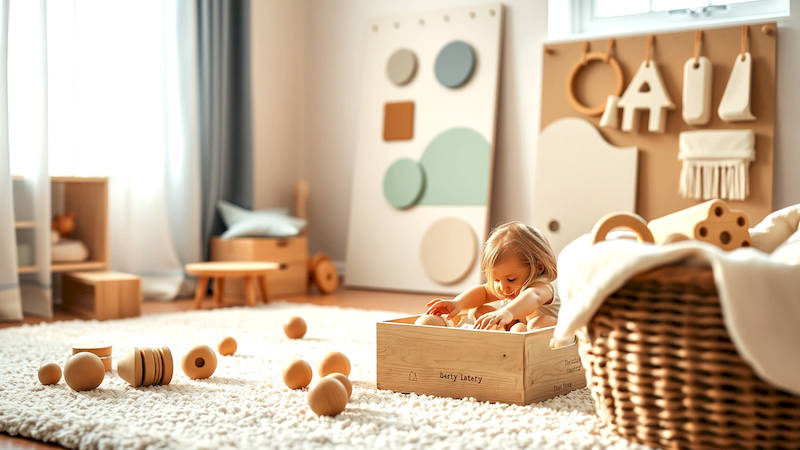
The modern understanding of child development increasingly highlights the crucial role of sensory experiences in fostering healthy growth. For many children, particularly those with Sensory Processing Sensitivity (SPS) or Sensory Processing Disorder (SPD), navigating the world can be overwhelming due to intense reactions to stimuli like bright lights, loud noises, or certain textures. A playroom, ideally a space for fun and exploration, can quickly become a source of anxiety if not carefully considered from a sensory perspective. Creating a sensory-friendly playroom isn’t just about catering to children with diagnosed sensory challenges; it’s about optimizing the environment for all children to thrive, encouraging imaginative play, and supporting their overall well-being. This article will delve into the principles of sensory processing and provide a practical guide to designing a playroom that is calming, engaging, and supportive for every child’s unique sensory needs.
The importance of a well-designed playroom extends beyond simply minimizing discomfort. It actively promotes self-regulation, a critical skill for emotional development and learning. When children feel safe and comfortable in their environment, they are better able to focus, explore, and engage in creative play. Conversely, a sensory-overstimulating environment can lead to meltdowns, anxiety, and avoidance behaviours. According to research by Dr. A. Jean Ayres, a leading pioneer in Sensory Integration Therapy, providing specific sensory input in a controlled environment facilitates nervous system development, impacting areas like attention, coordination, and behaviour. Therefore, thoughtfully designing a sensory-friendly playroom is a preventative measure and a powerful tool for supporting healthy development.
- Understanding Sensory Processing and Your Child
- The Foundation: Neutral Colors and Minimizing Visual Clutter
- Incorporating Calming Sensory Elements: Light and Sound
- Tactile Exploration: Textures That Soothe and Engage
- Proprioceptive and Vestibular Input: Movement and Body Awareness
- Creating a "Safe Space" Within the Playroom
- Conclusion: A Playroom Designed for Every Child
Understanding Sensory Processing and Your Child
Sensory processing refers to the way our brains interpret information gathered from our senses – sight, sound, smell, taste, touch, and proprioception (body awareness) and vestibular sense (balance and movement). Every child processes sensory information differently, and some are more sensitive than others. Children with SPS or SPD may experience hyper-sensitivity (over-responsiveness) or hypo-sensitivity (under-responsiveness) to specific stimuli. For example, a child with tactile defensiveness might strongly dislike the feeling of certain fabrics or being touched unexpectedly, while a child with a low sensory threshold may constantly seek out intense sensory input, like crashing into objects or spinning.
It’s crucial to observe your child’s individual preferences and reactions. What textures do they gravitate towards? Are they easily startled by loud noises? Do they consistently seek out opportunities to swing or jump? Paying attention to these cues will inform your playroom design. Remember, there is a spectrum of sensory processing abilities, and what works for one child may not work for another. Start with a neutral base and gradually introduce sensory elements, carefully monitoring your child’s response. Consider keeping a journal to track which sensory inputs seem to calm or irritate your child, providing valuable insight for future adjustments.
The Foundation: Neutral Colors and Minimizing Visual Clutter
The visual environment is often the first thing children encounter when entering a playroom. Harsh, bright colours and excessive visual clutter can be incredibly overstimulating, particularly for children sensitive to visual input. Instead, opt for a calming colour palette consisting of neutral tones like soft blues, greens, greys, or beiges. These colours are less visually demanding and promote a sense of tranquility. Avoid highly saturated colours, busy patterns, and flashing lights.
Beyond colour, minimizing visual clutter is paramount. Overcrowded spaces create a sense of chaos and can make it difficult for children to focus. Implement clever storage solutions such as baskets, bins, and shelving units to keep toys organized and out of sight when not in use. Rotate toys regularly, keeping only a select few readily available. This reduces visual stimulation and encourages more focused play. Consider creating designated “zones” within the playroom, each with a specific purpose, such as a reading nook, a building area, or an art station. This helps to visually delineate the space and provides a sense of order.
Incorporating Calming Sensory Elements: Light and Sound
Light and sound are powerful sensory inputs that can significantly impact a child's emotional state. Harsh fluorescent lighting is often a major source of sensory overload. Replace it with softer, warmer light sources such as lamps with dimmer switches or string lights. Natural light is ideal, but ensure windows are covered with curtains or blinds that can be adjusted to control the amount of light entering the room. Providing options allows your child to regulate their exposure to brightness.
Similarly, careful consideration of sound is vital. Cover hard surfaces with rugs, carpets, or acoustic panels to absorb sound and reduce echo. A white noise machine or a calming music playlist can help to mask disruptive noises and create a more peaceful atmosphere. Avoid placing the playroom directly above or below frequently used areas of the house where sounds might travel easily. It's also helpful to have a "quiet corner" within the playroom equipped with noise-cancelling headphones or a comfy pillow where your child can retreat when they need a break from sensory input.
Tactile Exploration: Textures That Soothe and Engage
Tactile sensory input is incredibly important for development and self-regulation. Providing a variety of textures allows children to explore their sense of touch in a safe and controlled environment. Incorporate soft fabrics like fleece blankets, plush cushions, and weighted stuffed animals. Offer opportunities for tactile exploration with playdough, sand, water beads, or a sensory bin filled with different materials like rice, pasta, or beans (always supervise closely to prevent choking hazards).
However, equally important is respecting your child's tactile sensitivities. If your child is tactile defensive, avoid forcing them to interact with textures they dislike. Instead, gradually introduce new textures in a playful and non-threatening way. Start with textures they already enjoy and slowly incorporate similar, but slightly different, materials. Creating a “texture wall” with different fabrics glued onto a board can be a fun and interactive way to explore tactile sensations. Regular assessments and observing your child’s reaction to these stimuli is critical.
Proprioceptive and Vestibular Input: Movement and Body Awareness
Proprioception (body awareness) and the vestibular sense (balance and movement) are deeply connected to emotional regulation and attention. Providing opportunities for proprioceptive input can be incredibly calming for children who are anxious or overwhelmed. This can be achieved through activities like pushing, pulling, lifting, or carrying heavy objects. Incorporate a small climbing structure, a tunnel, or a weighted blanket into the playroom.
Vestibular input, or movement, can also be very regulating. A swing, a rocking chair, or a wobble cushion can provide valuable vestibular stimulation. However, it’s important to be mindful of your child's vestibular preferences. Some children love spinning and swinging, while others find it overwhelming. Start with gentle movements and gradually increase the intensity as tolerated. Remember to consistently monitor your child's response to these activities and adjust accordingly.
Creating a "Safe Space" Within the Playroom
Ultimately, the most crucial element of a sensory-friendly playroom is the inclusion of a designated "safe space." This is a quiet, secluded area where your child can retreat when they feel overwhelmed or overstimulated. This space should be free of clutter, soothingly decorated, and equipped with comforting items like a soft blanket, pillows, and favourite books.
The safe space can be as simple as a teepee, a comfy corner with a beanbag chair, or a designated area under a table draped with fabric. The key is to create a space that feels safe, secure, and calming for your child. Encourage them to use this space whenever they need a break from sensory input. Emphasize that it is their space and that they have control over when and how they use it. This empowers them to self-regulate and manage their sensory needs independently.
Conclusion: A Playroom Designed for Every Child
Designing a sensory-friendly playroom is an investment in your child’s well-being and development. It's about understanding that every child processes sensory information differently and creating an environment that supports their unique needs. By focusing on neutral colours, minimizing visual clutter, incorporating calming sensory elements, and providing opportunities for proprioceptive and vestibular input, you can transform the playroom into a haven of calm and engagement. Remember to observe your child’s responses and make adjustments as needed.
The core takeaways are these: prioritize observation, embrace personalization, and remember that a truly effective sensory-friendly playroom isn’t about creating a sterile environment, but about fostering an atmosphere of acceptance and support. Begin by implementing small changes, such as swapping out harsh lighting or adding a weighted blanket. Consistently monitor your child’s reactions and adjust the environment accordingly. Ultimately, a thoughtfully designed playroom empowers children to regulate their sensory experiences, fostering a sense of calm, confidence, and joy – fundamental elements of healthy growth and development. Continue to gather information and consult with professionals if you have specific concerns regarding your child's sensory processing abilities.
Deja una respuesta