Role-Playing Games to Develop Children’s Communication Skills
Communication is the cornerstone of all human interaction, and developing strong communication skills is vital for children’s social, emotional, and academic success. While often seen as simply "playing," role-playing games (RPGs) offer a remarkably effective and engaging platform for honing these crucial abilities. These games allow children to experiment with different perspectives, navigate complex social scenarios, and practice essential communication techniques in a safe and supportive environment. This article will delve into the profound benefits of RPGs for developing communication skills, offering practical guidance for parents and educators on how to leverage this powerful tool. It’s not just about fantasy and adventure; it’s about building the foundations for a lifetime of effective interaction and meaningful relationships.
The importance of early communication skill development cannot be overstated. Children with strong communication skills demonstrate higher levels of social competence, are better equipped to resolve conflicts, and often experience greater academic achievement. Conversely, difficulties in communication can lead to frustration, social isolation, and academic challenges. Traditional methods often focus on direct instruction, but RPGs offer a unique advantage: learning through immersion and active participation. They move beyond rote memorization of “please” and “thank you” to facilitating genuine understanding of why we communicate in certain ways and how to adapt our communication to different situations.
- The Core Communication Skills Enhanced by Role-Playing
- Choosing the Right RPG for Communication Development
- Structuring RPG Sessions to Maximize Communication Impact
- Addressing Common Communication Challenges Through RPGs
- Adapting RPGs for Children with Specific Needs
- Beyond the Game: Transferring Skills to Real-Life Interactions
- Conclusion: The Enduring Power of Playful Communication
The Core Communication Skills Enhanced by Role-Playing
Role-playing inherently demands and develops a wide array of communication skills. These aren't simply about speaking; they encompass active listening, nonverbal cues, empathy, and assertive expression. Consider a child playing the role of a shopkeeper: they must listen attentively to the "customer’s" requests, understand their needs (even unspoken ones), and respond in a clear and friendly manner. This seemingly simple interaction reinforces crucial communication components. Furthermore, the spontaneous and unpredictable nature of RPGs necessitates quick thinking and adaptability in communication styles.
The benefits extend beyond verbal communication. RPGs provide opportunities to interpret and respond to a partner’s body language, tone of voice, and facial expressions – crucial components of non-verbal communication. For example, a child role-playing a nervous knight might subconsciously exhibit fidgeting or hesitant speech, prompting the other player to respond with reassurance or further inquiry. These nonverbal cues are often overlooked in traditional communication exercises but are critical for genuine understanding. Statistics consistently show that nonverbal communication accounts for a substantial portion of our overall message, and RPGs offer a fantastic arena to practice interpreting these subtle signals.
Finally, many RPGs feature scenarios that actively encourage empathy. Stepping into the shoes of another character necessitates considering their motivations, feelings, and perspectives—a core component of emotional intelligence and effective communication. This cultivates a deeper understanding of others and promotes compassionate responses.
Choosing the Right RPG for Communication Development
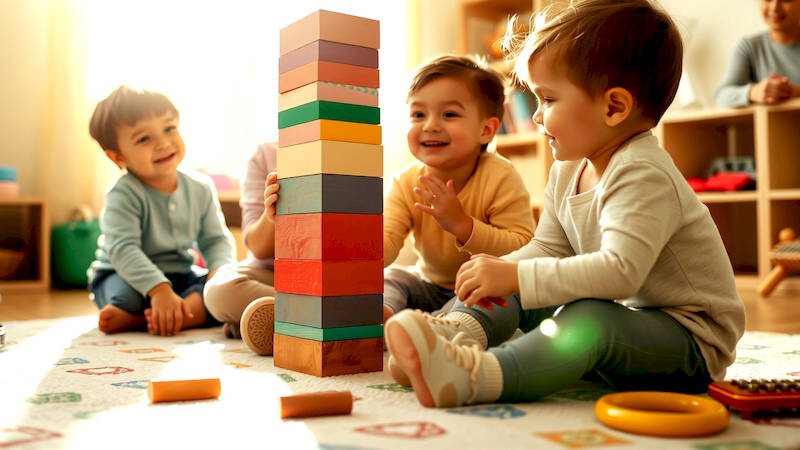
Not all role-playing games are created equal when it comes to fostering communication. Consider the age and developmental stage of the child when selecting a game. Simple, unstructured play, like “house” or “doctor,” is an excellent starting point for younger children (ages 3-5). These scenarios encourage turn-taking, imaginative dialogue, and basic negotiation skills. As children mature, more structured RPGs can be introduced.
For elementary school-aged children (6-11), tabletop RPGs like simplified versions of Dungeons & Dragons, or cooperative story-telling games, are highly effective. These games require players to collaborate, share information, and make decisions as a team, all of which demand clear and concise communication. The advent of video games that incorporate RPG elements also present opportunities, but parental supervision and discussion are especially important to ensure the focus remains on positive social interaction and responsible gaming habits. Look for games that prioritize cooperative gameplay over competitive conflict and encourage players to verbally coordinate their actions.
It's also crucial to provide the right environment. A calm, supportive, and non-judgmental space is key to encouraging children to take risks and experiment with different communication styles. Avoid overly critical feedback and instead focus on praising effort and active participation. The goal isn't to create perfect actors but to provide a safe space to practice and refine communication abilities.
Structuring RPG Sessions to Maximize Communication Impact
Simply letting children "play" is a good start, but strategically structuring RPG sessions can significantly amplify their communication-building potential. Begin by establishing clear roles and a simple scenario. For younger children, you might say, "You're the veterinarian, and I'm the owner of a sick puppy. Can you ask me what's wrong?" For older children, introduce more complex scenarios with multiple characters and challenges.
Next, incorporate specific communication challenges into the game. For instance, task a player with persuading another character to help them with a task without using direct commands. This encourages the use of persuasive language and active listening. Or, create a scenario where players must negotiate a solution to a conflict, requiring compromise and effective articulation of needs and wants. "You both want the last cookie. How can you figure out a fair way to share it?" is a simple, yet powerful example.
Finally, debriefing after the session is crucial. Ask children questions like, “What was challenging about communicating with that character?” or “How did you feel when you had to explain your point of view?” This encourages reflection on their communication experience and helps them identify areas for improvement.
Addressing Common Communication Challenges Through RPGs
RPGs are particularly well-suited to address common communication challenges children face. For children who struggle with shyness or anxiety, role-playing allows them to practice social interactions in a low-stakes environment. They can experiment with different personas and build confidence in their ability to express themselves. A child hesitant to speak up in class might feel more comfortable voicing their opinions as a bold and adventurous character.
Similarly, RPGs can help children who are overly assertive or have difficulty taking turns learn to consider the perspectives of others. By playing a character who must rely on collaboration and compromise, they can develop empathy and practice more balanced communication styles. Children who struggle with conflict resolution can also benefit from RPGs. Scenarios that require negotiation and problem-solving provide opportunities to practice constructive communication techniques, such as active listening, finding common ground, and proposing solutions.
It's important to remember that improvement takes time and practice. Encourage children to embrace mistakes as learning opportunities and to celebrate their progress. Consistency is also key; regular RPG sessions will provide ongoing opportunities to reinforce and refine communication skills.
Adapting RPGs for Children with Specific Needs
The beauty of role-playing is its adaptability. It can be tailored to meet the specific communication needs of children with developmental differences. For children with Autism Spectrum Disorder (ASD), for instance, RPGs can provide a structured environment to practice social skills that may be challenging in real-life situations. Social stories can be incorporated into the game to provide clear expectations and guidelines for interaction.
For children with language delays, RPGs can encourage verbal expression and language development. Simplify the scenarios, provide visual cues, and model appropriate language use. Focus on building receptive language skills (understanding what others say) as well as expressive language skills (being able to communicate effectively). According to the American Speech-Language-Hearing Association (ASHA), play-based interventions like RPGs are highly effective in promoting language development.
For children with emotional regulation difficulties, RPGs can provide a safe space to explore and manage their emotions through role-playing. Choose scenarios that evoke a range of emotions and encourage children to express their feelings in a healthy and constructive manner.
Beyond the Game: Transferring Skills to Real-Life Interactions
The ultimate goal is to transfer the communication skills learned in RPGs to real-life interactions. Actively discuss how the communication strategies used in the game can be applied in everyday situations. For example, after a session where a child successfully negotiated a compromise, ask them, “How could you use that same strategy when you and your sibling are arguing over a toy?”
Encourage children to reflect on their communication experiences outside of the game. Ask them about challenging conversations they’ve had and how they could have communicated more effectively. Model good communication yourself as a parent or educator. Lead by example by demonstrating active listening, empathy, and assertive communication in your own interactions.
Finally, create opportunities for children to practice their communication skills in real-world settings. Encourage them to participate in group activities, join clubs, or volunteer in their community. These experiences will provide valuable opportunities to refine their communication skills and build confidence.
Conclusion: The Enduring Power of Playful Communication
Role-playing games offer a powerful and engaging pathway to developing children’s communication skills. They move beyond passive learning and immerse children in active, experiential opportunities to practice essential techniques. From fostering active listening and empathy to encouraging assertive expression and conflict resolution, the benefits are far-reaching and contribute significantly to overall social and emotional well-being. By consciously selecting appropriate games, structuring sessions strategically, and actively linking game-based learning to real-life interactions, parents and educators can unlock a child’s communicative potential.
The key takeaways are simple: embrace the power of play, prioritize collaborative gameplay, encourage reflection and discussion, and consistently model positive communication. Start small, be patient, and celebrate progress. By investing in these experiences, we are not just building communication skills; we are building confident, empathetic, and well-adjusted individuals equipped to navigate the complexities of human interaction and thrive in a connected world. The next time your child suggests a game of make-believe, embrace it – you're witnessing a powerful learning opportunity in action.
Deja una respuesta