
Using Fun Food Art to Encourage Healthy Eating Habits
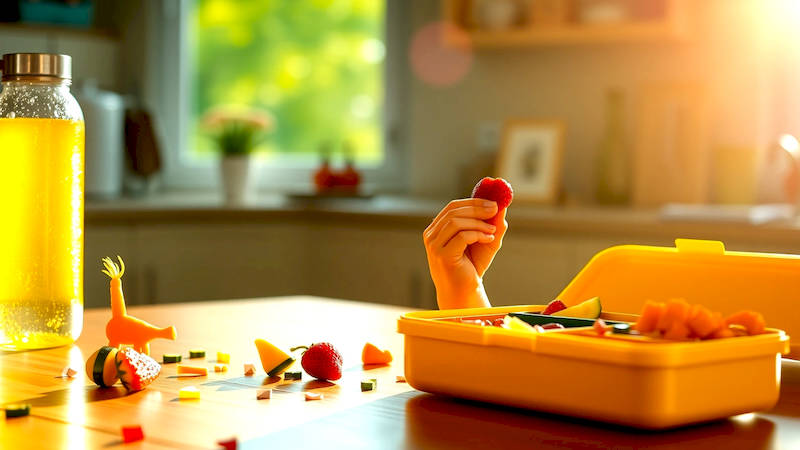
The battle to get children to eat their vegetables is as old as parenting itself. From pleading and negotiating to outright hiding pureed spinach in their favorite sauces, parents have tried it all. But what if the solution wasn’t about trickery, but about transformation? In recent years, a growing body of evidence – and a surge of visually appealing social media content – highlights the power of “food art” as a surprisingly effective strategy for fostering healthier eating habits in children. This isn't simply about making food look pretty; it’s about leveraging creativity to positively influence perceptions, encourage exploration, and ultimately, make nutritious choices more appealing.
This approach moves beyond merely presenting healthy foods and focuses on engagement. The goal is to unlock a child’s innate curiosity and make mealtime an adventure. It’s based on the premise that children eat with their eyes first, and a beautifully arranged plate can overcome initial aversion to unfamiliar or less favored foods. Food art isn’t about becoming a culinary artist overnight; it’s about embracing simple techniques that tap into a child’s imagination and make healthy eating a positive, enjoyable experience. The benefits extend beyond simply getting kids to eat their veggies – it encourages creativity, mindful eating, and a stronger connection to the food they consume.
This article will explore the science behind why food art works, provide practical techniques for implementation, address common challenges, and offer inspiring ideas to help you turn mealtime into a canvas for healthy habits. We will dive into the psychology of childhood eating, the importance of presentation, and how to tailor food art to different age groups and dietary needs. Ultimately, the aim is to equip you with the knowledge and tools to make healthy eating a fun and sustainable part of your family’s lifestyle.
- The Psychology of Plate Presentation: Why Food Art Works
- Simple Techniques to Get Started with Food Art
- Adapting Food Art to Different Age Groups
- Addressing Picky Eating with Creative Presentation
- Beyond the Plate: Expanding the Food Art Experience
- Maintaining Sustainability & Avoiding Mealtime Stress
- Conclusion: Cultivating a Love of Healthy Eating Through Creativity
The Psychology of Plate Presentation: Why Food Art Works
The effectiveness of food art is deeply rooted in child psychology. Children are naturally drawn to novelty and visual stimuli. A plate arranged as a playful scene – a train made of cucumber slices, a sunshine egg yolk, or a caterpillar of grapes – immediately captures their attention and sparks curiosity. This sensory experience primes them to approach the food with a more positive attitude, reducing preconceived notions about dislike. According to research in food psychology, presentation affects perceived taste; aesthetically pleasing food is often judged as tasting better, even if the actual ingredients remain the same. This isn’t just subjective preference; brain imaging studies reveal activation in reward centers when individuals are presented with visually appealing food.
Furthermore, food art transforms mealtime from a potential power struggle into a collaborative experience. Involving children in the process – even if it's just adding blueberry eyes to a pancake face – gives them a sense of ownership and control, increasing the likelihood they’ll try what they’ve helped create. This agency is critical, as forcing children to eat can create negative associations with food and exacerbate picky eating behaviors. "When children feel they have a say in their food choices and presentation, they develop a more positive relationship with eating," explains Dr. Anya Sharma, a pediatric nutritionist specializing in behavioral eating patterns. This sense of ownership translates to greater willingness to experiment.
Finally, food art directly addresses the "neophobia" – the fear of new things – that many children exhibit. By presenting familiar foods in an unfamiliar, engaging way, you can subtly encourage them to overcome their hesitation and try something they might otherwise reject. A broccoli "tree" is less intimidating than a pile of green florets, for example. It's about reframing the food, making it approachable, and turning a potential rejection into a hesitant, but hopeful, bite.
Simple Techniques to Get Started with Food Art
You don’t need to be a professional chef or artist to create appealing food art. The beauty of this approach lies in its simplicity. Start with basic shapes and arrangements, focusing on utilizing the natural colors and textures of the food. Simple cuts – using cookie cutters to transform cheese slices, fruits, or vegetables into fun shapes – are a great entry point. Arranging food into familiar forms, like animals, faces, or flowers, is both effective and relatively easy. Consider using dips as “glue” to attach smaller pieces, creating scenes or designs. For example, yogurt or hummus can be used to adhere cucumber slices onto a pita bread “face” to create eyes and a mouth.
Another helpful technique is utilizing contrasting colors. The vibrant hues of fruits and vegetables naturally draw the eye. Combine bright red strawberries with green kiwi slices, or orange carrots with purple grapes to create visually appealing combinations. Don't underestimate the power of a simple garnish – a sprig of parsley, a sprinkle of paprika, or a drizzle of balsamic glaze can elevate the presentation significantly. Remember to focus on creating a balanced plate; food art shouldn't come at the expense of nutritional value. Ensure that the appealing design features healthy components and doesn’t simply surround a small portion of nutritious food with less healthy additions.
For younger children, consider focusing on deconstructing meals and letting them assemble their own creations. Present components – bite-sized pieces of vegetables, cheese cubes, crackers – separately and encourage them to build their own miniature “landscapes” on their plates. This promotes independence and fosters a playful attitude towards food. There are countless free resources and tutorials available online, offering inspiration and step-by-step guidance for various food art designs.
Adapting Food Art to Different Age Groups
The approach to food art should evolve alongside your child's development. What captivates a toddler will differ from what engages a school-aged child. For toddlers (ages 1-3), the focus should be on simple shapes, bright colors, and recognizable characters. Large, easily graspable pieces are essential. Think smiley faces made from mashed potatoes, animal shapes cut from sandwiches, or fruit skewers in rainbow order. Simplicity is key – intricate designs will likely be lost on this age group. The goal isn't elaborate artistry, but a visually stimulating and approachable presentation.
As children enter preschool and early school age (ages 3-7), their imaginations blossom, and you can introduce more complex designs. Creating scenes – a farm with broccoli trees and carrot fences, a beach with mashed potato sand and fish-shaped crackers – can be highly engaging. This is also a good time to start involving them in the food art process, letting them contribute ideas and help with assembly (with appropriate supervision). "Encouraging children to participate in creating their own food art not only makes mealtime more fun, but also fosters a sense of ownership and pride in their creations," emphasizes child development specialist, Sarah Miller.
For older children (ages 8+), food art can become a collaborative art project, with a focus on creativity and challenge. They may enjoy attempting more elaborate designs, incorporating different techniques, and even competing with siblings or friends. Focus on allowing them creative freedom while still ensuring the meal remains nutritionally balanced.
Addressing Picky Eating with Creative Presentation
Food art is a particularly powerful tool for tackling picky eating. By transforming disliked foods into appealing characters or scenes, you can bypass initial resistance and encourage children to try new things. If your child refuses to eat broccoli, for example, try arranging it into a "tree" with a cheese "sun" shining behind it. If they dislike carrots, cut them into star shapes or arrange them to resemble a caterpillar. The key is to disguise the food just enough to make it approachable without completely obscuring its identity.
Creating a "rainbow plate" – a plate featuring foods of all different colors – is another effective strategy. This appeals to children’s visual preferences and ensures a variety of nutrients. You can also try “food challenges” – awarding small prizes for trying new foods presented in a creative way. However, avoid using food as a reward for good behavior, as this can create unhealthy associations with eating. The emphasis should be on exploration and enjoyment, not coercion. It’s critical to understand that food art isn't a magic bullet. It should be used alongside other strategies, such as exposing children to a variety of foods repeatedly and creating a positive mealtime environment.
Persistent picky eating may require professional guidance. Consult with a pediatrician or registered dietitian if you have concerns about your child's nutritional intake.
Beyond the Plate: Expanding the Food Art Experience
Food art isn’t limited to the plate itself. Extend the creative experience beyond mealtime by involving children in the entire food process – from grocery shopping to meal preparation. Take them to farmers' markets and let them choose their own fruits and vegetables. Teach them basic cooking skills, such as washing and chopping vegetables (with appropriate supervision). This fosters a deeper connection to their food and encourages healthier eating habits. Consider creating themed meals – a "pirate breakfast" with gold coin pancakes (made using a round cookie cutter) or a "dinosaur lunch" with brontosaurus-shaped sandwiches.
Utilize food art as an educational tool. Discuss the nutritional benefits of different foods while you're creating the designs. Teach children about different cultures and cuisines by recreating traditional dishes in a visually appealing way. This can broaden their perspectives and encourage them to appreciate a variety of flavors. Finally, document your food art creations and share them with others. This can inspire other parents and create a sense of community. Social media platforms like Instagram and Pinterest are great places to find inspiration and share your own ideas.
Maintaining Sustainability & Avoiding Mealtime Stress
While food art offers numerous benefits, it’s important to approach it sustainably and avoid creating unnecessary stress. Don’t feel pressured to create elaborate designs every meal. Simple arrangements can be just as effective. Prioritize nutritional value over aesthetics; the focus should always be on providing a balanced and healthy meal. Avoid spending excessive time on food art, as this can lead to burnout and frustration. Keep it fun and lighthearted.
Also consider the time investment. Complex designs might be perfect for weekends, but quick and easy options are better for busy weeknights. Don’t let food art become a source of pressure or anxiety, either for you or your child. If your child isn’t interested in participating or doesn’t appreciate the designs, don’t force it. Ultimately, the goal is to create a positive and enjoyable mealtime experience, not to transform every meal into a work of art. Remember that consistency is key, but flexibility is also important.
Conclusion: Cultivating a Love of Healthy Eating Through Creativity
Food art is more than just a trend; it’s a powerful strategy for fostering healthy eating habits in children. By leveraging the psychology of plate presentation, incorporating simple techniques, and adapting the approach to different age groups, parents can transform mealtime from a battleground into a creative and enjoyable experience. It’s a way to break down barriers to trying new foods, encourage exploration, and cultivate a lifelong love of healthy eating. The key takeaways are to remember to keep it fun, involve your child in the process, and prioritize nutrition over elaborate designs.
The lasting impact of this approach extends far beyond the dinner table. By fostering a positive relationship with food, you’re equipping your child with valuable skills and habits that will benefit their health and well-being for years to come. Start small, be patient, and embrace the artful plate as a tool for creating a brighter, healthier future for your family. To begin, choose one simple technique – perhaps cutting vegetables into fun shapes – and incorporate it into your next meal. Observe your child’s reaction and adjust your approach accordingly. Remember, every small step towards making healthy eating more appealing can make a significant difference.
Deja una respuesta