
How to Massage Your Infant to Promote Better Sleep and Digestion
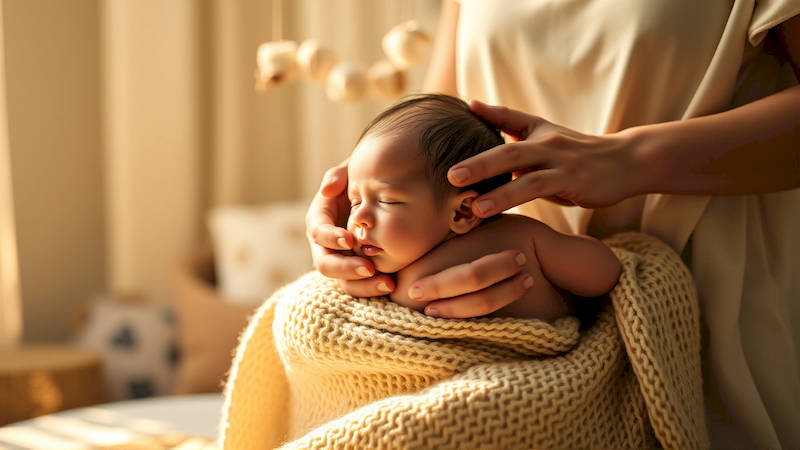
The arrival of a new baby is a joyous occasion, but it often comes with a learning curve – for both baby and parents. As new parents, we're constantly seeking ways to soothe, comfort, and promote the healthy development of our little ones. Beyond feeding, diapering, and cuddling, infant massage offers a remarkable and often overlooked avenue for connection and well-being. Rooted in ancient traditions from around the world, infant massage isn’t just a pleasurable experience; it’s a powerful tool backed by growing scientific evidence to help babies sleep more soundly, improve digestion, bond with caregivers, and even boost their immune systems.
This practice, utilizing gentle strokes and a nurturing touch, is more than just a feel-good activity. It taps into the profound connection between physical touch and neurological development. The hormonal and physiological changes experienced during massage can create a sense of calm. Numerous studies demonstrate a link between regular infant massage and reduced levels of cortisol (the stress hormone) in babies, while simultaneously increasing oxytocin, often called the “bonding hormone.” This article will serve as your compass to safely and effectively incorporate infant massage into your routine, unlocking a world of benefits for both you and your baby.
- Understanding the Physiological Benefits of Infant Massage
- Massage Techniques for Improved Digestion
- Massage Routines to Facilitate Better Sleep
- Safety Considerations and When to Avoid Massage
- Building Connection Through Touch: The Emotional Benefits
- Adapting Massage for Different Ages
- Conclusion: A Gift of Touch for a Lifetime of Well-being
Understanding the Physiological Benefits of Infant Massage
Infant massage directly influences the baby’s physiological systems, creating a cascade of positive effects. The gentle manipulation of muscles and tissues stimulates the nervous system, which in turn increases blood circulation. Enhanced circulation delivers more oxygen and nutrients to the baby’s cells, aiding in growth and development. A healthy circulatory system also contributes to better lymphatic drainage, which is crucial for removing toxins and bolstering the immune system. Furthermore, the physical stimulation naturally encourages the maturation of the infant’s brain and nervous system, laying a foundation for future cognitive and motor skills.
This impact extends specifically to the digestive system. The circular strokes used in infant massage mimic the natural peristaltic motions of the intestines, helping to move gas and relieve constipation. Many parents report significant improvements in their baby’s digestion after incorporating regular massage, particularly those who experience colic or discomfort. It’s important to note, however, that massage shouldn’t be used during a feeding or immediately afterwards, allowing time for digestion to begin naturally. Recognize, also, that if your baby is experiencing significant digestive distress, massage should be approached gently and in consultation with a pediatrician.
Finally, the stimulation of the vagus nerve, which plays a significant role in regulating the parasympathetic nervous system (responsible for “rest and digest”), is enhanced through infant massage. This stimulation can directly lead to a calmer, more relaxed state in the baby, setting the stage for improved sleep.
Massage Techniques for Improved Digestion
Targeting the abdominal area with specific massage techniques can yield remarkable results in easing digestive discomfort. Begin by warming your hands and applying a small amount of baby-safe oil – almond, coconut, or grapeseed oil are excellent choices. Avoid oils with strong scents, as they could irritate your baby’s sensitive skin. Gently place your hands flat on your baby’s tummy, just below the ribcage. Using a clockwise circular motion (following the path of the intestines), very gently massage the abdomen. The pressure should be light and soothing, no more than you would use to lightly stroke a feather.
Continue this circular motion for a few minutes, observing your baby’s reaction. If they appear uncomfortable, reduce the pressure or stop entirely. You can also incorporate “I Love U” strokes. Using the fingertips, gently trace the letter "I" down the baby’s left side, then the letter "L" across the bottom of the abdomen, and finally the letter "U" up the right side. This specific pattern also aligns with the anatomy of the large intestine and can be particularly effective in moving gas. A study published in The Journal of Alternative and Complementary Medicine indicated that the "I Love U" stroke significantly reduced crying time in infants with colic. Remember to always observe your baby's cues - if they pull their knees up to their chest, it's a clear sign they need a break.
Massage Routines to Facilitate Better Sleep
Establishing a calming bedtime routine is essential for promoting healthy sleep habits. Incorporating infant massage into this routine can signal to your baby that it’s time to wind down. A full-body massage, performed slowly and deliberately, can help to release tension and promote relaxation. Start with the legs, using gentle stroking motions from the thighs down to the feet. Pay attention to the feet themselves, gently massaging each toe and the soles. Continue to the arms, using the same stroking technique, and then to the chest and back.
When massaging the back, use long, flowing strokes from the neck down to the sacrum. Avoid applying pressure directly to the spine. Finally, gently massage the head, using small circular motions. This is particularly soothing and can help to calm a fussy baby. It’s crucial to create a peaceful environment during the massage – dim the lights, play soft music, and ensure the room is a comfortable temperature. Consistency is key – performing the massage at the same time each evening will help your baby associate it with sleep. As Dr. Tiffany Field, Director of the Touch Research Institutes at the University of Miami Miller School of Medicine, notes, "Regular massage can significantly improve sleep quality and duration in infants."
Safety Considerations and When to Avoid Massage
While infant massage is generally safe and beneficial, it's vital to prioritize safety and be aware of situations where massage should be avoided. Always obtain clearance from your pediatrician before starting infant massage, especially if your baby was born prematurely or has any underlying medical conditions. Never force a massage if your baby resists or appears uncomfortable. Pay close attention to your baby’s cues and stop if they show any signs of distress, such as crying, arching their back, or turning away.
Certain conditions warrant avoiding massage altogether. Refrain from massaging your baby if they have a fever, skin infection, rash, or open wounds. Do not massage over areas of inflammation or any place where there’s bruising. Furthermore, avoid massage immediately after vaccinations, giving the baby's immune system time to respond. It’s also crucial to use proper technique – avoid deep pressure or vigorous movements, which could be harmful. Always wash your hands thoroughly before and after the massage.
Building Connection Through Touch: The Emotional Benefits
The benefits of infant massage extend far beyond the physical realm. It’s a powerful tool for building a strong emotional connection between parent and baby. The act of gentle touch releases oxytocin in both the baby and the caregiver, fostering feelings of love, trust, and security. This increased oxytocin level also has a calming effect on the parent, reducing stress and promoting relaxation.
Regular massage becomes a special time of bonding, creating lasting memories and strengthening the parent-child relationship. It’s an opportunity to truly tune into your baby’s needs and respond with love and nurturing care. This focused attention and emotional connection can have long-term positive effects on the baby’s emotional development and attachment style. Many parents find that, even more than the physical benefits, it’s the shared experience of closeness and love that makes infant massage so rewarding.
Adapting Massage for Different Ages
Newborns and older infants require slightly different approaches to massage. Newborns, with their developing nervous systems, benefit most from gentle, full-body strokes. Focus on soothing and calming techniques, using very light pressure. As your baby grows and develops, you can introduce more varied strokes and techniques. For example, you might incorporate gentle stretching exercises or more focused massage on specific muscle groups.
Around 6 months of age, your baby will likely be more active and engaged. You can turn massage into play, incorporating singing or talking. As your baby reaches the crawling and walking stages, they may not be as tolerant of prolonged massage sessions. Short, focused massages, such as foot or hand massage, can still be beneficial. The key is to adapt your approach to your baby’s individual needs and preferences, always observing their cues and responding accordingly.
Conclusion: A Gift of Touch for a Lifetime of Well-being
Infant massage is a remarkable practice that offers a wealth of benefits for both babies and parents. From promoting better sleep and digestion to strengthening the parent-child bond, the gentle touch of massage can have a profound impact on your baby’s overall health and well-being. By incorporating these techniques into your routine, you're not just providing physical comfort; you’re nurturing your baby’s emotional development and creating a foundation for a lifetime of connection.
Remember to always prioritize safety, observe your baby’s cues, and consult with your pediatrician if you have any concerns. Start slowly, experiment with different techniques, and most importantly, enjoy this special time of bonding with your little one. The gift of touch is a powerful one, and infant massage is a beautiful way to share that gift and unlock a world of benefits for your baby. Take the first step today – warm your hands, find a quiet space, and embrace the gentle art of infant massage. You won't regret it.
Deja una respuesta