
Meal Planning Tips for Ensuring Daily Fruit Intake in Children
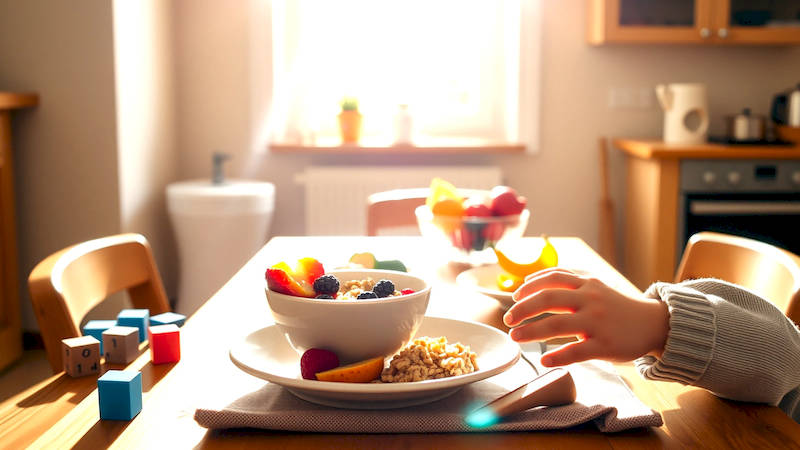
Getting kids to eat their fruits can often feel like a monumental task. In a world saturated with processed foods and sugary snacks, establishing healthy eating habits, specifically consistent fruit consumption, is more vital than ever. The benefits are numerous – from boosting immunity with Vitamin C to providing essential fiber for digestive health, fruit plays a critical role in a child’s overall well-being. Yet, statistics show a concerning trend: according to the CDC, only a small percentage of children meet the recommended daily fruit intake. This article serves as a comprehensive guide for parents, providing practical meal planning strategies to seamlessly incorporate fruits into your child’s diet, fostering a lifelong love for these nutritious powerhouses. It’s about moving beyond the battles at the dinner table and building a proactive, positive approach to healthy eating.
This isn’t simply about hiding fruit in smoothies (though that’s a viable tactic!). It’s about understanding why children resist fruit, how to cater to their developing tastes, and implementing a strategic meal planning system that makes fruit accessible, appealing, and a natural part of their daily routine. We’ll explore strategies for picky eaters, address common concerns, and showcase how a little planning can yield significant long-term health benefits. Successful integration requires creativity, consistency, and a willingness to adapt, and this guide will equip you with the tools to navigate this journey with confidence.
- The Psychology of Fruit: Understanding Why Kids Resist
- Building a Fruit-Focused Meal Plan: From Breakfast to Bedtime
- Tackling the Picky Eater: Strategies for Fruit Acceptance
- Beyond the Basics: Expanding Fruit Variety and Preparation
- Fruit and Sugar: Addressing Parental Concerns
- The Power of Role Modeling & Making it Fun!
- Conclusion: Cultivating a Lifelong Love of Fruit
The Psychology of Fruit: Understanding Why Kids Resist
Resistance to fruit isn't purely stubbornness; it’s often rooted in developmental stages and sensory experiences. Young children are naturally wary of new tastes and textures – a protective mechanism developed over millennia. This is known as ‘food neophobia.’ Their taste buds are also more sensitive than adults’, meaning they perceive flavors with greater intensity. What might seem mildly tart to you can be overwhelmingly sour to a child. Furthermore, texture plays a huge role. Mushy textures, a common characteristic of some fruits, can be particularly unappealing.
Understanding these developmental factors allows for a more empathetic and effective approach. Avoid forcing a child to eat fruit, as this can create negative associations and reinforce resistance. Instead, focus on repeated exposure – presenting fruit in various forms, even if they initially refuse to try it. “It can take 10-15 exposures to a new food before a child will accept it,” notes registered dietitian Ellyn Satter, a renowned expert in feeding dynamics. This doesn’t mean repeatedly offering a single slice of apple; it means integrating fruit strategically into different meals and snacks over time.
Finally, children learn by observation. If you aren’t prioritizing fruit in your diet, it’s unlikely your child will either. Modeling healthy eating habits is paramount. Make fruit visible and accessible in your home, and let your child see you enjoying it. Pack your own lunch with fruit, snack on fruit throughout the day, and involve them in the selection process at the grocery store.
Building a Fruit-Focused Meal Plan: From Breakfast to Bedtime
Effective meal planning is the cornerstone of ensuring daily fruit intake. It's not about adding fruit as an afterthought; it’s about integrating it into the structure of your meals and snacks from the outset. Start with breakfast. Instead of sugary cereals, offer a bowl of oatmeal topped with berries and sliced bananas. Blend fruit into smoothies – a palatable way to sneak in extra nutrients, especially for picky eaters. Think beyond the typical apple or banana and experiment with mangoes, peaches, or pineapple.
For lunch, pack fruit as a side dish. Grapes, mandarin oranges, and sliced pears are convenient options. Consider adding diced fruit to salads for a touch of sweetness and texture. And don't underestimate the power of fruit skewers – a fun and engaging way to present fruit. Snacks are crucial opportunities for fruit consumption. Instead of reaching for cookies or chips, offer sliced apples with peanut butter, a handful of berries, or a small fruit salad. Prepare these options in advance to avoid impulsive unhealthy choices when hunger strikes.
To promote consistent success, dedicate one day a week to meal planning – reviewing your schedule, creating a shopping list, and prepping ingredients. This proactive approach reduces stress and increases the likelihood of sticking to your fruit-focused goals. Remember to involve your children in the planning process, allowing them to choose which fruits they’d like to include, empowering them to take ownership of their eating habits.
Tackling the Picky Eater: Strategies for Fruit Acceptance
Picky eating is a common challenge, but it doesn’t have to derail your efforts. The key is patience, persistence, and creativity. Avoid labeling your child a “picky eater,” as this can become a self-fulfilling prophecy. Focus instead on exposing them to a variety of fruits in different forms. Don’t give up on a fruit after one refusal. Continue to offer it periodically, alongside preferred fruits, without pressure.
Presentation matters. Cut fruit into fun shapes using cookie cutters, arrange it in appealing patterns on a plate, or serve it with a dip like yogurt or a small amount of honey (for children over one year old). Sneaking fruit into meals can also be effective. Add pureed fruit to sauces, incorporate grated apple into muffins, or blend berries into pancakes. However, be transparent about the inclusion of fruit – you want to encourage acceptance, not deception.
Furthermore, involve your child in the preparation process. Let them wash the fruit, peel it, or help with assembling fruit salads. This increases their sense of ownership and encourages them to try what they’ve helped create. Remember, the goal is to create positive associations with fruit, making it an enjoyable and desirable part of their diet.
Beyond the Basics: Expanding Fruit Variety and Preparation
While apples, bananas and oranges are staples, expanding your fruit repertoire offers a wider range of nutrients and appeals to different palates. Introduce exotic fruits like mangoes, papayas, pomegranates, and kiwis. These offer unique flavors and textures that can spark curiosity. Don’t be afraid to experiment with different preparations. Grilled pineapple, baked apples with cinnamon, or a vibrant fruit salsa can transform ordinary fruit into exciting culinary experiences.
Consider the seasonal availability of fruits. Fruits taste best and are most affordable when they’re in season. Visit local farmers' markets to discover fresh, locally grown options. Frozen fruit is also an excellent choice – it’s often just as nutritious as fresh fruit and can be used in smoothies, yogurt parfaits, or baked goods. When selecting fruits, look for those that are ripe but not overly soft. Teach your children how to choose ripe fruit, further involving them in the process.
Don't overlook the benefits of dried fruit in moderation. While it’s more concentrated in sugar, it provides fiber and essential nutrients. Offer it as a snack alongside nuts and seeds for a balanced treat. However, be mindful of portion sizes and choose varieties without added sugar.
Fruit and Sugar: Addressing Parental Concerns
A common concern among parents is the sugar content of fruit. It’s true that fruit contains natural sugars (fructose), but it’s vastly different from the added sugars found in processed foods and sugary drinks. Fruit also provides essential nutrients, fiber, and antioxidants that are not present in added sugars. The fiber in fruit helps to slow down the absorption of sugar, preventing the rapid blood sugar spikes associated with refined sugars.
“The sugar in fruit is packaged with vitamins, minerals, fiber and phytonutrients, which lessen the impact on blood sugar,” explains registered dietitian Lisa Young. While moderation is always key, eliminating fruit entirely due to sugar content is generally not recommended. The benefits of fruit far outweigh the potential risks. If you’re concerned about sugar intake, focus on limiting added sugars from other sources – sugary drinks, candy, and processed snacks.
Furthermore, encourage whole fruit consumption over fruit juice. Fruit juice lacks the fiber found in whole fruit and can contribute to excessive sugar intake. If you do offer fruit juice, dilute it with water and limit portion sizes. Prioritize whole fruit whenever possible.
The Power of Role Modeling & Making it Fun!
As previously touched upon, children are incredibly perceptive and often mirror the behaviors of their parents and caregivers. If you aren’t visibly consuming and enjoying fruit, it’s much harder to convince your child to do the same. Make fruit a regular part of your own diet, and let your child see you choosing it as a snack or incorporating it into meals.
Beyond simply eating fruit yourself, make it a family activity. Visit an orchard to pick your own apples, create a fruit salad together, or have a blind taste test to identify different fruits. Turn preparing fruit into a fun, interactive experience. The goal is to create positive associations and a lasting appreciation for fruit. Remember, it’s not just about what you eat, but how you eat it. A relaxed and enjoyable mealtime environment encourages healthy eating habits and fosters a positive relationship with food.
Conclusion: Cultivating a Lifelong Love of Fruit
Successfully integrating daily fruit intake into your child’s diet requires a multifaceted approach – understanding their developmental stage, strategic meal planning, addressing picky eating tendencies, and consistently role modeling healthy habits. It’s not about quick fixes or forced compliance, but about cultivating a positive relationship with fruit that will last a lifetime. Prioritize variety, experiment with different preparations, and make it fun!
The key takeaways are: 1) Repeated exposure is vital for overcoming food neophobia; 2) Meal planning is the foundation for consistency; 3) Presentation matters – make fruit appealing and engaging; 4) Reduce added sugars from other sources, and prioritize whole fruit over juice. Immediate action steps include reviewing your family’s current meal plan, identifying opportunities to incorporate more fruit, and involving your children in the process. By prioritizing fruit, you’re investing in your child’s health, well-being, and future. A colorful plate bursting with fruit isn’t just a visual delight; it’s a foundation for a healthy and vibrant life.
Deja una respuesta