
Creating Family Traditions That Include Both Biological and Stepchildren
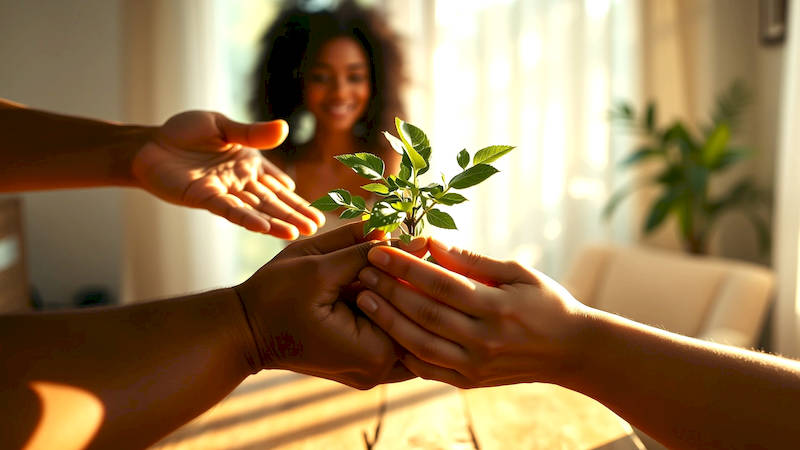
The landscape of the modern family is evolving. While the “traditional” nuclear family remains, blended families – those formed through remarriage or co-parenting, bringing together children from previous relationships – are increasingly common. According to the U.S. Census Bureau, over 16% of children under 18 live in blended family households. This shift necessitates a re-evaluation of what "family" means and, critically, how traditions are established and maintained. Traditions aren't merely about fun; they are the glue that binds families together, fostering a sense of belonging, security, and shared identity. In blended families, intentionally crafting these traditions can be especially potent, bridging gaps and nurturing relationships that might otherwise struggle to form.
Creating family traditions in a blended family is arguably more important than in a traditional one. It’s not simply about carrying on pre-existing practices; it’s about building a new shared history. Often, children entering a blended family are grieving the loss of their original family unit, even if the separation was amicable. New traditions offer a safe space to create positive associations and demonstrate that love and commitment can exist in a restructured family form. Failing to acknowledge this potential grief and proactively build new connections can lead to feelings of exclusion, resentment, and ultimately, a fractured family dynamic.
This article will delve into the practicalities of establishing meaningful traditions in blended families, offering actionable strategies and insights to help create a cohesive and loving environment for all. We will address common challenges, provide examples of successful traditions, and equip you with the tools to navigate the sensitive emotional terrain that often accompanies blended family life.
Understanding the Emotional Landscape
Before leaping into brainstorming tradition ideas, it’s vital to understand the emotional complexities inherent in blended families. Children from previous relationships are navigating loyalty conflicts, attachment issues, and often, a fear of replacement. They may hesitate to embrace new traditions, seeing it as a betrayal of their other parent or their original family’s ways. Ignoring these feelings will sabotage any effort to create shared meaning. Open and honest communication is paramount. Regularly checking in with each child individually, providing a safe space for them to express their worries and adjusting traditions based on their feedback, will foster trust and inclusivity.
A crucial aspect of this understanding is acknowledging the grief process. Even in the best circumstances, a family restructuring constitutes a loss – the loss of the family unit as it was. Children (and adults!) need permission to grieve this loss. Forcing cheerful activities prematurely can be counterproductive. Validate their feelings, let them talk about what they miss, and reassure them that loving their other parent doesn't diminish their connection with you. As Dr. Patricia Papernow, author of A Modern Girl's Guide to Stepfamilies, emphasizes, "Successful stepfamilies aren't about recreating the past, but about creating something new that honors everyone's history."
Furthermore, it’s essential for the adults in the blended family to be on the same page. Agreed-upon parenting strategies and a united front are crucial for consistency and stability. Disagreements about traditions, or a perceived favoritism towards biological children, can quickly erode trust and create resentment among all involved. Regular couple’s time—separate from parenting discussions—is vital to maintain a strong partnership foundation.
Starting Small and Building Gradually
Don’t attempt to overhaul existing routines immediately. Overwhelming children with a sudden influx of new traditions is likely to generate resistance. Instead, begin with one or two small, manageable traditions and build from there. Focus on activities that are inclusive, non-threatening, and appeal to a wide range of ages and interests. For example, a weekly family game night or a monthly themed dinner can be simple starting points. The key is to establish regularity and predictability. Children thrive on knowing what to expect.
Consider traditions built around existing events like birthdays or holidays, but with a new twist. Perhaps a collaborative cake decorating session, a family-created scavenger hunt, or a volunteer opportunity that aligns with your family values. Instead of trying to replicate how things were done in previous families, focus on creating something entirely new and unique to your blended family. For instance, if the mother's family always had a formal Christmas dinner, and the father's family favored a casual pizza night, consider blending the two by having a themed Christmas Eve pajama party with homemade pizza and a festive movie.
Remember that traditions don't have to be elaborate or expensive. Often, the most cherished memories are made through simple, everyday moments. A regular family hike, a bedtime story ritual, or even a designated “gratitude sharing” time during dinner can be incredibly impactful.
Involving Everyone in the Process
Traditions are most meaningful when they are co-created, not imposed. Involve all members of the blended family – children and adults – in the brainstorming process. Hold a family meeting where everyone is encouraged to share their ideas, preferences, and even concerns. This demonstrates that every voice is valued and that the tradition belongs to everyone.
Actively solicit input from the children. Ask them about their favorite activities, what they miss from their original families, and what they would like to do together as a new family unit. Be open to compromise and be willing to integrate some of their suggestions, even if they seem unusual. For example, one blended family, after a collaborative brainstorming session, decided to start a “Random Acts of Kindness” tradition, inspired by one child’s desire to make the world a better place. Each month, the family would choose a different act of kindness to perform, such as volunteering at a local shelter or donating to a charity.
Avoid unintentionally excluding or favoring any child. Be mindful of each child’s unique interests and abilities. If one child has a particular talent or passion, incorporate it into a tradition whenever possible. A family tradition centered around music, art, or sports can provide opportunities for showcasing individual strengths and fostering a sense of pride.
Adapting Traditions as the Family Evolves
Families are not static entities; they change and grow over time. Traditions should be flexible enough to adapt to these changes. As children age, their interests will evolve, and traditions that were once cherished may lose their appeal. Be willing to revisit traditions periodically and make adjustments as needed. This demonstrates that you are attentive to their needs and that the traditions are meant to enhance, not hinder, the family dynamic.
Don’t be afraid to retire traditions that are no longer serving their purpose. Forcing participation in activities that are no longer enjoyable can lead to resentment and disengagement. Instead, focus on creating new traditions that are more relevant to the family’s current stage of life. A tradition of reading bedtime stories to young children might evolve into a family book club for teenagers. A long-standing summer vacation tradition might be modified to accommodate changing work schedules or financial constraints.
Furthermore, be open to integrating traditions from different cultural backgrounds. Blended families often bring together individuals from diverse backgrounds, and embracing these differences can enrich the family experience. Sharing cultural traditions can foster understanding, appreciation, and a stronger sense of connection.
Dealing with Resistance and Challenges
Resistance to new traditions is common, particularly from children who are still adjusting to the blended family dynamic. Don’t take it personally. It’s often a sign of underlying emotional needs. Be patient, understanding, and persistent. Continue to offer opportunities for participation, but don’t force it. Sometimes, simply being present and showing genuine enthusiasm can be enough to encourage reluctant family members to join in.
One common challenge is navigating disagreements between step-parents and biological parents regarding traditions. Establishing clear boundaries and maintaining respectful communication with the other parent is crucial. Avoid badmouthing the other parent’s traditions or attempting to replace them entirely. Focus on creating new traditions that are separate and distinct from those of the other family.
Another potential challenge is dealing with feelings of guilt or obligation. Adults may feel pressured to recreate the traditions of their original family, even if they are no longer relevant or enjoyable. Remember that the goal is to create a new identity as a blended family, not to replicate the past. Let go of guilt and focus on building meaningful connections with your current family.
The Power of Rituals Beyond Scheduled Events
While planned traditions are excellent, don’t underestimate the power of daily or weekly rituals. These are smaller, more spontaneous expressions of connection that can reinforce a sense of belonging. These might include a special goodnight routine, a shared morning coffee, or a specific way of saying goodbye at school.
These smaller rituals are often more impactful than large, planned events because they are integrated into the fabric of everyday life. They provide consistent opportunities for connection and reinforcement of positive family values. For instance, a consistent "check-in" at dinner where each person shares their high and low point of the day can foster open communication and provide valuable insights into each other’s lives.
These rituals don't need to be time-consuming or elaborate. The key is to be intentional and consistent. Even a simple hug or a few words of affirmation can make a significant difference in a child's sense of security and belonging.
In conclusion, creating family traditions in a blended family requires patience, sensitivity, and a willingness to adapt. It’s not about erasing the past, but about weaving new threads into the family tapestry, creating a shared history that honors everyone’s contributions. By fostering open communication, involving everyone in the process, and embracing flexibility, you can build a strong and loving blended family that thrives on shared experiences and a deep sense of belonging. Remember that the most important ingredient is love—expressed through consistent presence, unwavering support, and a commitment to creating a happy and harmonious family life for all. The reward? A blended family that isn't just functional, but truly feels like home.
Deja una respuesta