
Healthy Snack Ideas for Busy School Days
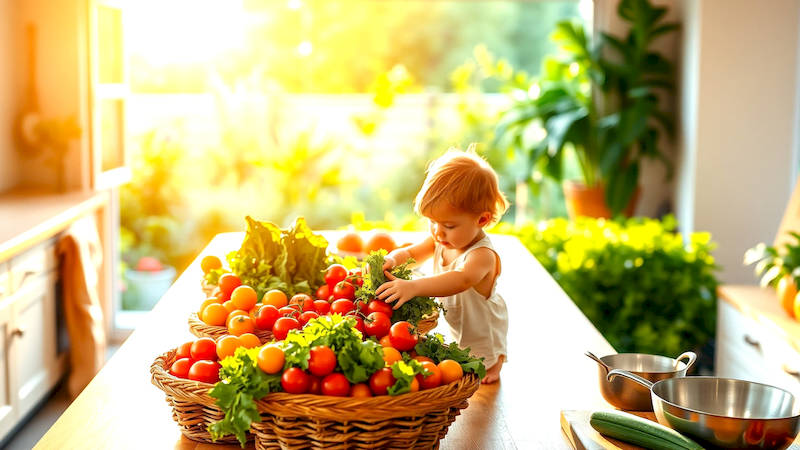
The whirlwind of school days – early mornings, packed schedules, demanding classes, and extracurricular activities – often leaves little room for mindful eating, particularly when it comes to snacks. As parents, we know children need consistent energy throughout the day to focus, learn, and thrive. However, the convenience of processed snacks, often laden with sugar and unhealthy fats, is a constant temptation. Poor snacking habits can lead to energy crashes, difficulty concentrating, and long-term health concerns. Providing nutritious, appealing snacks isn't just about filling a gap between meals; it's an investment in your child’s cognitive function, physical health, and overall well-being.
The good news is that healthy snacking doesn’t have to be time-consuming or complicated. With a little planning and creativity, you can equip your children with the fuel they need to conquer the school day. This article delves into the importance of strategic snacking, unpacks the nutritional needs of growing children, and provides a wealth of practical, easy-to-implement snack ideas for busy families. We’ll examine how to navigate common snacking challenges and establish healthy habits that will last a lifetime.
This isn’t about restrictive diets or depriving children; it's about empowerment – teaching them to make informed choices and develop a positive relationship with food. It’s about transitioning from a mindset of “grab and go” towards a mindful consideration of nourishment.
Understanding Your Child's Nutritional Needs
Children have different nutritional needs than adults, evolving rapidly as they grow and develop. A growing body requires adequate protein, complex carbohydrates, healthy fats, vitamins, and minerals to support energy levels, brain function, and physical growth. Snacking should complement, not replace, well-balanced meals, and should focus on bridging the nutritional gaps that might exist throughout the day. According to the American Academy of Pediatrics, snacks should offer nutrients often lacking in a child’s diet, like fiber, calcium, and iron. A general guideline is to aim for snacks containing at least two food groups, such as fruit and yogurt, or vegetables and hummus.
Focusing on whole, unprocessed foods is key. Sugary snacks trigger a quick spike and subsequent crash in blood sugar, leading to decreased concentration and irritability. Similarly, snacks high in saturated or trans fats offer little nutritional value and can contribute to long-term health problems. Prioritize snacks rich in fiber, which aids digestion and promotes feelings of fullness, and healthy fats, vital for brain development and overall health. It’s also crucial to consider your child’s individual needs and activity levels. A very active child will require more calories than a less active one, and it's important to adjust snack portions accordingly.
Finally, remember that portion control is crucial. Even healthy snacks can contribute to weight gain if consumed in excessive amounts. Pre-portioning snacks into individual containers can help prevent overeating and promote mindful consumption. Consulting with a pediatrician or registered dietitian can provide personalized recommendations tailored to your child’s specific needs.
Quick & Easy No-Prep Snack Options
For those hectic mornings where time is of the essence, having a selection of no-prep snack options readily available is a lifesaver. These options require minimal effort and can be easily packed into lunchboxes or grabbed on the go. Fruits are a stellar choice – apples, bananas, oranges, and grapes require no preparation and provide essential vitamins and fiber. Single-serving yogurt cups (look for options with low added sugar) provide protein and calcium. A handful of almonds, walnuts, or cashews offers healthy fats and protein, boosting satiety and focus.
Beyond these staples, consider pre-packaged whole-grain crackers with individually portioned cheese sticks or string cheese. Baby carrots and cherry tomatoes are vibrant, crunchy, and packed with vitamins. Some stores now offer pre-cut veggie sticks with hummus. Hard-boiled eggs, prepared in advance, are a protein powerhouse. The key is to stock your pantry and refrigerator with these convenient options so they're readily available when hunger strikes. Remember to read labels carefully, avoiding products high in added sugars, sodium, and unhealthy fats.
However, even within ‘no-prep’ options, mindful choices matter. Opt for plain yogurt and add your own berries instead of pre-sweetened varieties. Choose nuts and seeds over processed granola bars, which often contain hidden sugars.
Slightly More Effort: Simple Snack Creations
While no-prep options are essential for busy days, taking a few extra minutes to create simple snack combinations can elevate nutritional value and appeal. Apple slices with peanut butter (or another nut butter if allergies are a concern) provide a satisfying mix of fiber, protein, and healthy fats. Celery sticks filled with cream cheese or hummus offer a crunchy and flavorful option. Whole-wheat toast topped with avocado and a sprinkle of everything bagel seasoning provides healthy fats and complex carbohydrates.
A fun and engaging option is creating “snack boxes” with a variety of bite-sized items – cheese cubes, grapes, whole-grain crackers, and a few mini bell pepper slices. These allow for variety and encourage children to try different foods. You can also quickly blend a smoothie using frozen fruit, yogurt, and a handful of spinach or kale for a nutrient-packed treat. Pre-portioning ingredients into individual bags or containers makes preparation even faster. Engaging your children in the preparation process can also make snacking more enjoyable and encourage them to try new foods.
Tackling Common Snacking Challenges
One of the biggest challenges parents face is dealing with picky eaters. Introducing new foods gradually and repeatedly is crucial. Don’t force your child to eat something they dislike, but continue to offer it in different ways. Serve it alongside familiar favorites, or incorporate it into a recipe they already enjoy. Another common challenge is dealing with requests for unhealthy snacks. Setting clear boundaries and offering healthy alternatives can help. Keep unhealthy snacks out of sight and out of reach.
According to Dr. Ellyn Satter, a renowned eating expert, “Parents provide what, when, and where children eat; children decide how much and whether they eat.” This approach promotes a healthy relationship with food and encourages children to learn to listen to their own hunger cues. Furthermore, it can be helpful to involve children in grocery shopping and meal planning, giving them a sense of ownership and responsibility for their food choices.
The Power of Planning and Prep
Successful healthy snacking hinges on proactive planning and preparation. Dedicate a specific time each week, perhaps on a Sunday, to wash and chop fruits and vegetables, portion out snacks into individual containers, and stock up on healthy staples. Having these items readily available eliminates impulsive unhealthy choices when hunger strikes. Consider creating a snack station in the pantry or refrigerator where children can easily access approved snack options.
A visual snack chart can also be helpful, especially for younger children. This chart can display a list of approved snack choices, allowing them to make independent selections. Creating a weekly snack schedule can also provide structure and prevent constant requests for snacks throughout the day. Pre-planning ensures you’re equipped to handle unexpected cravings and busy schedules without resorting to unhealthy alternatives.
Beyond the Basics: Sneaking in Extra Nutrition
Sometimes, children need a little extra nutritional boost. And it doesn’t always require dramatically changing what they eat. There are clever ways to ‘sneak’ in extra nutrients without compromising taste. Adding a tablespoon of ground flaxseed or chia seeds to smoothies or yogurt provides omega-3 fatty acids and fiber. Pureeing vegetables like pumpkin or sweet potato into smoothies or baked goods adds vitamins and antioxidants without significantly altering the flavor.
Offering whole-grain versions of frequently consumed snacks, such as crackers or bread, increases fiber intake. Making homemade popsicles with pureed fruit and yogurt is a refreshing and healthy treat. Even something as simple as adding a sprinkle of cinnamon to oatmeal or yogurt boosts antioxidant levels. Small changes like these can make a big difference in your child’s overall nutrition.
Conclusion: Building Healthy Habits That Last
Providing healthy snacks is more than just about fueling your child's body; it's about shaping their relationship with food and fostering lifelong healthy habits. By understanding their nutritional needs, prioritizing whole foods, and planning ahead, you can empower your children to make informed choices and thrive. Remember that consistency is key, and that setbacks are inevitable. Don't strive for perfection, but rather focus on making small, sustainable changes that will benefit your family for years to come.
The key takeaways are: prioritize whole, unprocessed foods; focus on snacks with at least two food groups; pre-portion snacks to avoid overeating; involve children in the preparation process; and create a supportive environment that encourages healthy choices. Start with one or two small changes this week, such as replacing sugary drinks with water or swapping processed snacks for fruit. By taking these steps, you'll be investing in your child’s health, happiness, and future success. Ultimately, a well-nourished child is a child ready to learn, grow, and reach their full potential.
Deja una respuesta